Virtual Receptionist: How Small Businesses Never Miss a Call or Website Chat Again
As a small business owner, you’ve probably felt the sting of losing a potential client because you couldn’t answer the phone or respond to a website chat in time. That’s where a virtual receptionist comes into play. With an AI phone receptionist, you can ensure that every call is answered, every chat is engaged, and no opportunity slips through the cracks.
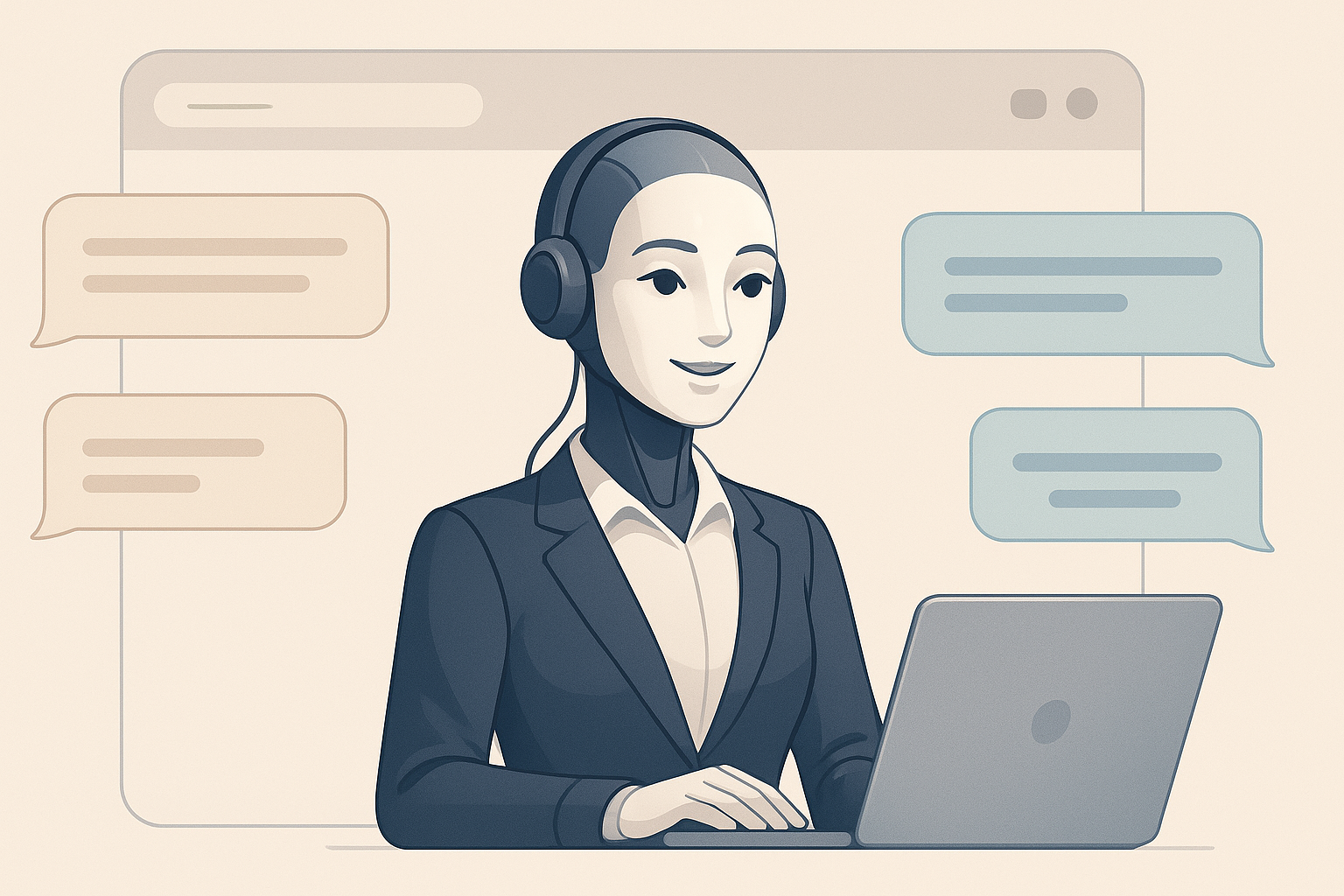
What Is a Virtual Receptionist?
Definition and Core Concept
A virtual receptionist is an automated service that answers phone calls and website chats for your business. Think of it as a digital front-desk assistant that never sleeps. It doesn’t require coffee breaks or vacations and is always ready to interact with your customers.
How It Differs from a Traditional Answering Service
Traditional answering services rely on human operators, which can be costly and limited in availability. A virtual receptionist, especially one powered by AI, offers 24/7 service without the overhead of hiring full-time staff. It’s more efficient, scalable, and often provides a smoother customer experience.
The Two Main Types: Phone and Website Chat
There are two main types of virtual receptionists: the AI phone receptionist and the website chat widget. Each serves a specific purpose. The phone receptionist answers real calls, while the chat widget handles website interactions. Both aim to capture leads and book appointments.
Why Small Businesses Lose Customers to Missed Calls and Chats
The High Cost of a Missed Call
Missing a call can mean losing a client. Studies show that 85% of customers won’t call back if their call goes unanswered. Each missed call isn’t just a missed opportunity—it’s potential revenue slipping away.
After-Hours and Peak-Time Gaps
Many small businesses can’t afford to be available 24/7. But your customers expect it. An AI virtual receptionist fills these gaps, ensuring that you’re always open for business.
The Expectations of Modern Customers
Today’s customers demand immediate responses. If they don’t get it from you, they’ll find someone else who can. A virtual receptionist provides the quick, accurate responses that modern customers expect.
How an AI Virtual Receptionist Works
Answering Real Phone Calls with AI
The AI phone receptionist answers calls using natural language processing. It understands caller intent and can book appointments directly into your calendar, ensuring no double-bookings. The moment a call ends, you’ll receive an email recap.
Engaging Website Visitors Through Chat
The website chat widget reads your website content to provide accurate responses to visitor inquiries. It captures leads and can even schedule appointments directly through the chat interface.
Routing, Scheduling, and Message Taking
Whether it’s routing calls to the right person or taking messages when you’re unavailable, a virtual receptionist handles it all. It ensures that no detail is overlooked and every customer is valued.
Key Benefits of Using a Virtual Receptionist
24/7 Availability Without Hiring Staff
With a virtual receptionist, your business is always open. You won’t need to hire additional staff to cover after-hours calls or peak times.
Cost Savings Compared to a Full-Time Employee
Hiring a full-time receptionist can be expensive. An AI solution offers a more budget-friendly option, with plans like the Essential at $497 a month for phone calls.
Consistent, Professional Customer Experience
An AI virtual receptionist provides a consistent, professional experience for your customers. No mood swings, no off days—just reliable service.
Scalability for Growing Businesses
As your business grows, the virtual receptionist scales with you. Whether you need more minutes or additional languages, there’s a plan to suit your needs.
Virtual Receptionist vs. Human Receptionist: Which Is Right for You?
When a Human Receptionist Makes Sense
For businesses that deal with complex or sensitive calls, a human receptionist might still be the best choice. They can handle emotional nuances and complex inquiries better than AI.
When an AI Virtual Receptionist Is the Better Fit
If you’re focused on cost-efficiency and 24/7 availability, an AI virtual receptionist is the way to go. It offers the responsiveness and convenience that modern businesses need.
Hybrid Approaches for Maximum Coverage
Some businesses find success with a hybrid approach, using AI for routine inquiries and humans for more complex interactions. It’s about finding the right balance for your specific needs.
Features to Look for in a Virtual Receptionist Solution
Natural Language Understanding
Ensure the solution can understand and respond to a wide range of customer queries. This is crucial for providing a smooth customer experience.
Appointment Booking and Calendar Integration
The ability to book appointments and integrate with calendars like Google or Outlook is essential. It prevents double-booking and keeps your schedule organized.
Lead Capture and CRM Sync
Look for a solution that captures lead information and syncs with your CRM. This keeps your sales funnel full and your team informed.
Customizable Responses and Brand Voice
Your virtual receptionist should reflect your brand’s tone and style. Customizable responses help ensure that every interaction feels personal and on-brand.
Reporting and Analytics
Analytics provide insights into call and chat volume, helping you understand customer needs and optimize your service.
Real-World Use Cases for Small Businesses
Home Services and Trades
Plumbers, electricians, and other trades can benefit from a virtual receptionist by ensuring that no emergency call goes unanswered.
Professional Services (Legal, Accounting, Consulting)
For professionals, missing a call can mean missing a client. A virtual receptionist keeps your lines open and your calendar full.
Health and Wellness Clinics
From booking appointments to answering common questions, a virtual receptionist supports clinics in providing excellent patient care.
E-commerce and Retail
In retail, quick responses are crucial. A virtual receptionist helps ensure that online inquiries convert into sales.
How to Implement a Virtual Receptionist in Your Business
Step 1: Identify Your Communication Gaps
Start by evaluating where you’re losing potential business. Are calls going unanswered? Are website visitors leaving without engaging?
Step 2: Choose the Right Solution
Consider your business needs and budget. Whether it’s the AI phone receptionist or the website chat widget, choose a solution that aligns with your goals.
Step 3: Set Up and Customize
Once you’ve chosen a solution, set it up and customize the responses to match your brand voice. This ensures consistency in customer interactions.
Step 4: Train and Monitor
Ensure your team understands how to use the system. Regular monitoring helps you catch any issues and make necessary adjustments.
Step 5: Measure and Optimize
Use analytics to track performance. Adjust your approach based on data to continually improve customer interactions.
Common Misconceptions About Virtual Receptionists
It Sounds Robotic and Impersonal
While early versions were stiff, modern virtual receptionists use advanced voice technology to sound natural and engaging.
It’s Only for Large Companies
Small businesses benefit just as much, if not more. An AI virtual receptionist offers a cost-effective solution that scales with your business.
It Can’t Handle Complex Requests
While it may struggle with highly complex issues, an AI virtual receptionist handles most inquiries with ease, routing complex ones to a human if needed.
It Replaces All Human Interaction
It doesn’t. It supplements human interaction, ensuring that no customer is left waiting. Complex queries can still be directed to a real person.
The Future of Virtual Receptionists
Advances in AI and Natural Language Processing
Expect even more sophisticated interactions as AI continues to evolve. Virtual receptionists will only get better at understanding and responding to customer needs.
Integration with Other Business Tools
As integration capabilities expand, virtual receptionists will seamlessly connect with CRM, scheduling, and other systems to enhance business operations.
The Growing Expectation of Instant Response
The demand for immediate responses won’t wane. Virtual receptionists will remain key in meeting customer expectations for prompt service.
Frequently Asked Questions About Virtual Receptionists
- What is a virtual receptionist?
- A virtual receptionist is a service or software that answers phone calls and website chats on behalf of a business. It can be human-powered, AI-powered, or a hybrid, and it helps businesses capture leads and provide customer service without hiring a full-time receptionist.
- How does an AI virtual receptionist answer real phone calls?
- An AI virtual receptionist uses natural language processing and voice recognition to understand caller intent, respond to questions, and route calls or take messages. It can integrate with your calendar to book appointments and with your CRM to log caller details.
- Is a virtual receptionist better than a traditional answering service?
- It depends on your needs. Traditional answering services use human operators, which can be more personal but costlier and limited in hours. AI virtual receptionists offer 24/7 availability, instant response, and lower costs, but may not handle highly complex or emotional calls as well as a human.
- Can a virtual receptionist handle both phone calls and website chats?
- Yes, many virtual receptionist solutions include both phone and chat capabilities. This ensures that whether a customer calls or visits your website, they get an immediate response, reducing the chance of losing them to a competitor.
- How much does a virtual receptionist cost?
- Costs vary widely. AI-powered virtual receptionists often start at a low monthly fee, while human-powered services may charge per minute or per call. For small businesses, AI solutions are typically more affordable and scalable.
- Will a virtual receptionist sound robotic?
- Modern AI virtual receptionists use advanced voice technology that sounds natural and can be customized to match your brand’s tone. While not perfectly human, they are designed to be polite, helpful, and professional.
- Can a virtual receptionist book appointments?
- Yes, many virtual receptionists integrate with calendars like Google Calendar or Outlook to schedule appointments directly during the call or chat. They can also send confirmation texts or emails to the customer.
- What happens if the virtual receptionist can’t answer a question?
- If the virtual receptionist encounters a question it can’t handle, it can transfer the call to a human, take a message, or schedule a callback. This ensures no customer is left without a response.
Do not have a site yet to put your virtual receptionist on? You can build one in a few minutes at Build Sites, then add your chatbot to it with a single line of code.